 United Kingdom

Research & Development
Pioneering dermatological research and medical innovation through global collaboration.
In-Depth Research Articles
Comprehensive analysis and hypotheses from our research team.

Vitiligo and Psychological Stress
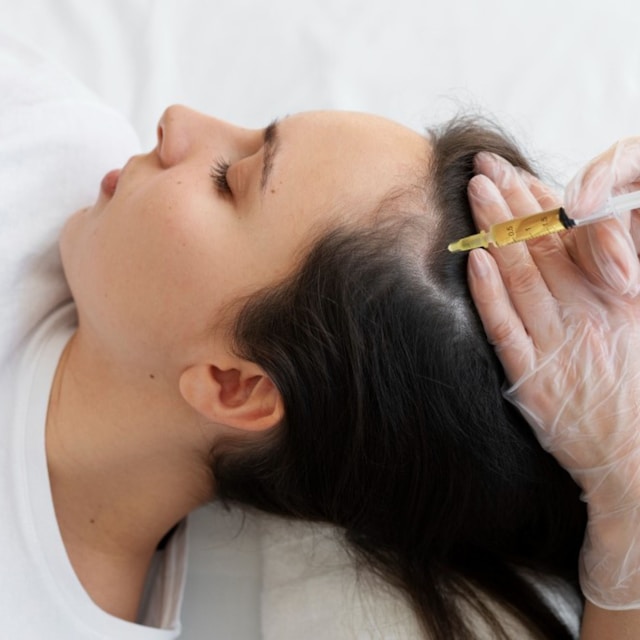
Exosome Therapy for Hair Loss

Vitamin E in Skin Protection Against UV Photodamage
Publications & Papers
Peer-reviewed publications and conference papers.
Expanding Community Skin Cancer Services in the UK: Outcomes of Specialist-Led Head and Neck Surgery
India Jacklin-Chatha, Ammar Ahsan, Syed Farhan Ahsan, Mohammed Al Abadie
Background Skin cancer incidence is rising in the United Kingdom, increasing pressure on secondary care dermatology and surgical services. Community-based management delivered in local clinic settings outside hospital environments has been proposed to enhance access and efficiency for selected non-melanoma skin cancers. Evidence regarding the safety of community-based surgery for head and neck lesions, which carry a higher functional and cosmetic risk, is limited. This study evaluates outcomes from a specialist-led community head and neck skin cancer surgery service in the West Midlands, UK. Methods A single-centre retrospective observational study included all patients undergoing community-based head and neck surgery for suspected skin cancer. Excisions were performed by two head and neck surgeons between January and December 2023. Demographics, lesion histology, anatomical location, margin status, and postoperative outcomes were recorded. Narrow margins were histologically defined as<0.5 cm for all skin cancers. Primary outcomes were completeness of excision, margin involvement, and procedural complications. Postoperative infection was assessed in a randomly selected subset of 30 patients using simple random sampling. Descriptive statistics were used to summarise findings. Results A total of 101 patients underwent skin cancer surgery (59.4% male, 40.6% female; median age 75 years, interquartile range 19). Lesions included basal cell carcinoma (BCC) (38.6%, n = 39), squamous cell carcinoma (SCC) (13.9%, n = 14), melanoma in situ (5.0%, n = 5), melanoma (4.0%, n = 4), pre-cancerous lesions including Bowen's disease and actinic keratoses (5.9%, n = 6), basosquamous carcinoma (2.0%, n = 2), and benign lesions (30.7%, n = 31). Among malignant and pre-cancerous lesions (n = 70), complete excision was achieved in 98.6% (n = 69). One patient with basosquamous carcinoma had an involved margin (1.4%). Ten percent (n = 7) had narrow margins (<0.5 cm). No procedural complications were reported. Among 30 patients randomly selected for postoperative infection assessment, 77% (n = 23) were confirmed negative, and data were unavailable for 23% (n = 7). Conclusions Community-based specialist head and neck skin cancer surgery is safe and effective. When performed by appropriately trained professionals under Local Skin Multidisciplinary Team oversight, it achieves high rates of complete excision with minimal complications. Implementing specialist-led community clinics can improve patient access, reduce pressures on secondary care, and provide a scalable model for delivering high-quality skin cancer care closer to patients.
Exosome Therapy for Hair Loss
Mohammed Al Abadie, N Abed, Marwah Mahfoudh
This review delves into the use of exosomes for treating hair loss, elaborating on their mechanisms, such as activating hair follicle stem cells, fostering angiogenesis, decreasing inflammation, and reducing oxidative stress. Findings from both preclinical and clinical research underline their potential to improve hair density.
The Epitome of Antioxidants Against UV Photodamage: Vitamin E
Marwah Mahfoudh, Al-Hussein Al-Rawi, Prof Mohammed Al Abadie
This literature review aims to illuminate the efficacy of vitamin E, spanning its topical applications to oral supplementation for the protection against photodamage, through an examination of past research in dermatology. A comprehensive analysis of 44 studies was conducted.
Vitiligo and psychological stress hypothesis
Mohammed S. Al Abadie, Chayada Chaiyabutr, Kinari X. Patel, David J. Gawkrodger
We examine hypotheses by which psychological stress might influence melanocyte destruction through immunoendocrine pathways involving cytokines and neuropeptides. The inextricable link between psychological stress, neuroendocrine function, and immunity suggests an interplay between these systems and melanocyte destruction in vitiligo.
Integrating neuronal involvement into the immune and genetic paradigm of vitiligo
M. S. Al Abadie, D. J. Gawkrodger
In this review we show how the neuronal theory is relevant to the convergence theory for the mechanism causing vitiligo, especially the segmental type. Neuropeptides and neurotransmitters, such as neuropeptide Y and dopamine, can be central to the pathological mechanisms of melanocyte destruction. They link into a bidirectional network connecting cutaneous nerves, the neuroendocrine axis and the immune system, and through their local influence on cutaneous inflammation, to the antigen‐specific regulatory T cells and the chemokine ligand type 9/chemokine receptor type 1 axis, which is thought to be the final pathway for melanocyte destruction.